Finchley Central removals guide for tight stair moves
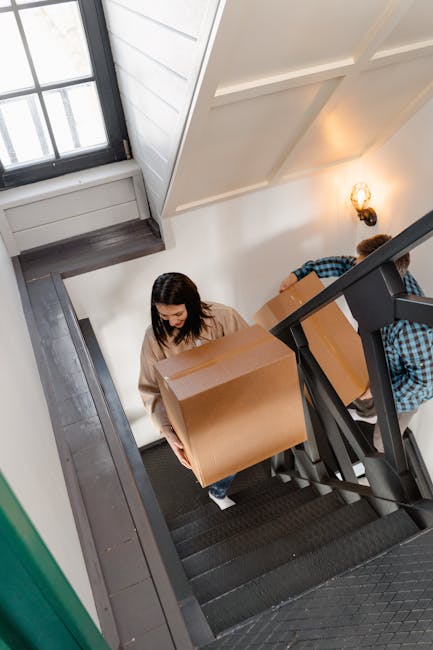
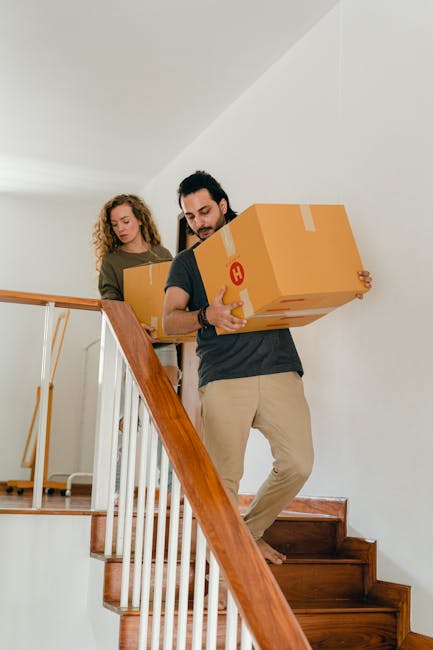
If you are planning a move in Finchley Central and the stairwell looks more like a puzzle than a passage, you are not alone. Tight turns, narrow landings, low ceilings, and awkward banisters can turn even a simple house move into a stressful day. This Finchley Central removals guide for tight stair moves walks you through the practical side of getting bulky items upstairs or downstairs without damage, delays, or that awkward moment when everyone realises the sofa is not going to "just fit".
Truth be told, the hardest part is often not the lifting itself. It is the planning. A careful route check, the right packing approach, and a removals team that knows how to work around constraints can save a lot of grief. Below, you will find a clear, local-minded guide to what matters, how the move usually works, and what to do when stairs are too tight for comfort.
Table of Contents
- Why Finchley Central tight stair moves matter
- How tight stair moves work in practice
- Key benefits and practical advantages
- Who this is for and when it makes sense
- Step-by-step guidance
- Expert tips for better results
- Common mistakes to avoid
- Tools, resources and recommendations
- Law, compliance, standards, or best practice
- Options, methods, or comparison table
- Case study or real-world example
- Practical checklist
- Conclusion
- Frequently asked questions
Why Finchley Central removals guide for tight stair moves Matters
Stair-related moving problems are rarely dramatic at first glance. A chest of drawers seems manageable. A mattress looks bendable. Then you reach the landing and realise the angle is wrong, the wall is too close, and the banister is making the whole job feel one inch wider than it should. That is why a proper plan matters so much.
In Finchley Central, as in many London neighbourhoods, homes often come with narrow hallways, older staircases, split levels, or compact flats where every corner seems designed by someone who never had to move a wardrobe. A removals plan built around tight access helps you avoid scratched walls, broken handles, strained backs, and those last-minute panics that eat up time and money.
It also helps you decide what should be moved, dismantled, wrapped, stored, or carried in a different order. In many cases, a move becomes much easier when you work with the staircase instead of fighting it. That is the whole point.
If you are weighing up whether professional support is worth it, have a look at the wider options on removals and local removals. For smaller moves or a single awkward item, small removals may be a better fit. Different jobs, different headaches.
How Finchley Central removals guide for tight stair moves Works
The process is fairly straightforward once you break it down. First, you assess the access. Then you choose the right packing, handling, and route. After that, the actual move becomes a controlled sequence rather than a rushed lift-and-hope exercise. Sounds simple. Sometimes it is. Sometimes not quite.
A good stair move usually starts with measuring key points: staircase width, landing depth, ceiling height, doorway clearance, and any awkward bends. You also want to check whether furniture can be tilted, lifted vertically, or safely dismantled. A sofa can sometimes be turned on end. A bed frame may need to come apart. A wardrobe may be better moved in sections, if at all.
Next comes protection. Stair rails, skirting boards, corners, and floor coverings all need attention. Padding, blankets, and stretch wrap are not glamorous, but they make a huge difference. One small scrape on a painted wall can be more annoying than the rest of the move put together.
Finally, the team moves item by item using an agreed plan: who leads, who supports, where to pause, and what to do if an item sticks halfway up. It is a simple idea, but in a tight stairwell, simple is good. Very good.
If the move is linked with storage, it can make sense to combine things into a broader plan through removals and storage. That is especially useful when access is tight and you do not want to force everything through one staircase on the same day.
Key Benefits and Practical Advantages
There are a few clear reasons to approach stair moves carefully rather than improvising on the day.
- Less damage: Proper planning reduces knocks to walls, banisters, doors, and furniture edges.
- Lower physical strain: Narrow stairs make lifting awkward, which increases the risk of slips and strains.
- Faster moving day: When the route is mapped out, the job tends to flow better.
- Better furniture survival: Dismantling and wrapping can protect finishes, hinges, and joints.
- Less stress: You are not making decisions in the heat of the moment while standing halfway on a landing.
There is also a subtle but important benefit: confidence. Once the access problem is understood, the whole move feels less mysterious. You know what will fit, what probably will not, and where storage or furniture disassembly may help. That can be a relief, especially if you have been worrying about a sofa that "should be fine" but somehow never is.
For people moving flats or upper-floor homes, options like flat removals can be particularly relevant. If you are moving a home rather than just a few items, house removals may suit a fuller service plan.
Who This Is For and When It Makes Sense
This guide is useful for anyone dealing with awkward stairs, but it is especially helpful if you are in one of these situations:
- You live in a Victorian or older-style property with narrow, twisting stairs.
- You are moving into or out of a top-floor flat with limited landing space.
- You have large furniture that looks movable in the living room but less so on the staircase.
- You are relocating on a tight timetable and cannot afford trial-and-error.
- You want to avoid damaging newly decorated walls or freshly painted bannisters.
It also makes sense if you are moving with children, pets, or lots of boxes. A crowded stairwell becomes unsafe very quickly. Even one extra person carrying the wrong thing at the wrong moment can block the route, and then everything slows down. A bit like rush hour, but with a wardrobe.
Students and renters may find this useful too, especially where access is limited and move-out deadlines are strict. In those cases, student storage can be a practical buffer if you need to split the move into stages. For a smaller household transition, household storage can help you keep non-urgent items out of the way.
Step-by-Step Guidance
If you are planning a tight stair move, follow a sequence like this. It keeps things calm, and calm is underrated on moving day.
- Measure the access properly. Check stair width, landing turns, ceiling height, and door frames. If possible, measure the largest items too.
- List the awkward items first. Sofas, wardrobes, mattresses, desks, mirrors, and white goods usually deserve special attention.
- Decide what can be dismantled. Remove legs, shelves, handles, doors, and anything else that makes an item less bulky.
- Protect the route. Use covers or padding on bannisters, walls, and floors where needed.
- Pack to suit the stairs. Keep boxes smaller for tight spaces. Heavy boxes are harder to control on turns, and honestly, no one enjoys that moment when a box feels like it has grown a grudge.
- Move the biggest items first or last, depending on the route. Sometimes it is better to clear the hardest item before the staircase gets crowded. Other times, easier items go first to create space. The layout decides.
- Keep a spotter on hand. One person guiding from the bottom or top can prevent a lot of clumsy handling.
- Pause and re-evaluate if something jams. Do not force it. A quick reset is usually safer than brute strength.
If the job involves heavy or fragile furniture, it may be sensible to combine packing support with packing services or move delicate pieces into furniture storage until the access issue is sorted.
Practical summary: measure first, remove what you can, protect the route, and keep the move sequence simple. That alone prevents a surprising amount of trouble.
Expert Tips for Better Results
Here is where the small details matter. In tight stair moves, the difference between smooth and messy is often just a few smart choices.
Use smaller boxes than you think you need. Heavy boxes are awkward on stairs. They swing, tip, and force people into poor posture. Two smaller boxes are often better than one overfilled one.
Wrap corners, not just surfaces. Corners are where damage usually starts. A sofa arm, table edge, or wardrobe corner will happily catch on a wall if you let it.
Take lighting seriously. Dim stairwells are a nuisance, especially in winter or late afternoon. A clearer route reduces missteps and gives the team time to make better decisions.
Keep pets and children out of the route. That sounds obvious, but it is easy to forget when the day gets busy.
Do a dry run with the biggest item. Even a quick test move, without full lifting, can reveal whether an item needs tilting, trimming, or dismantling.
Use the right service type. A move with tricky access is not the same as a standard van-and-carry job. If your access is especially tight, a tailored option such as mobile self storage can help you load at your own pace and avoid rushing a staircase in one go.
And a small personal note: if your instinct says "this looks a bit too tight", trust that instinct. People are usually right. They just say it after someone has already tried to turn the sofa sideways.
Common Mistakes to Avoid
Most tight stair move problems come from a few very repeatable mistakes. Avoid these and you are already ahead of the game.
- Not measuring the staircase properly: Guessing is tempting. It also causes the most avoidable problems.
- Leaving packing too late: Rushing leads to overfilled boxes and poor protection.
- Forcing oversized items: If it catches, stop. Forcing furniture through a narrow turn is how people end up with damaged walls and sore backs.
- Ignoring dismantling opportunities: Many items become much easier once they are partly taken apart.
- Using too many helpers in a narrow area: More hands can be useful, but too many bodies in a tight stairwell creates confusion.
- Skipping protection for the route: One bare wall, one heavy item, and suddenly the whole day feels expensive.
Another common mistake is underestimating time. Tight stairs slow everything down. That is not a failure; it is simply the nature of the job. Building in a bit of breathing room is smart, especially if you are coordinating keys, transport, or building access.
If you need time to stage belongings properly, self storage can make the whole process less frantic. Some moves are just better in two phases, not one big push.
Tools, Resources and Recommendations
You do not need a warehouse full of equipment to handle a tight stair move well, but a few items make life easier.
| Tool or item | Why it helps | Best use |
|---|---|---|
| Furniture blankets | Protects surfaces and corners | Wrapping large items and shielding walls |
| Stretch wrap | Holds drawers, doors, and loose parts in place | Securing movable sections before lifting |
| Strong gloves | Improves grip and helps reduce knocks | Handling boxes and hard-edged furniture |
| Small step trolley | Useful on flatter runs, not every staircase | Moving boxes to and from the stair entrance |
| Corner protectors | Reduces wall damage | Doorways, landings, and sharp turns |
| Furniture sliders | Helps on smooth floors before or after stairs | Positioning heavy items safely |
Recommended services depend on what you are moving. For a full household move with awkward access, house removals may be the most practical route. If your move is modest and just involves a few difficult items, small removals may be better value. For business clients, office removals and business storage can be useful where equipment or files need to move out of a tight stair setting in stages.
Law, Compliance, Standards, or Best Practice
For stair moves, the main concern is safe working practice. You do not need to turn this into a legal dissertation, but you do need to think about injury prevention, property protection, and clear communication.
In the UK, moving activity should be approached with attention to manual handling safety, reasonable care, and appropriate insurance arrangements. That means not lifting more than is sensible, not forcing unsafe routes, and making sure any damage risks are understood before work begins. If a property has shared access, communal areas should be treated with care as well. Quietly, that is where most neighbourly friction starts.
It is sensible to check service terms, payment expectations, and cover before the move. You can review general service information through terms and conditions, along with payment and account handling at payment and security. If you want to understand how insurance and safety are treated, insurance and safety is the page to review.
For responsible disposal, reuse, and minimising waste, it is also worth thinking about what can be donated, recycled, or stored rather than thrown away. If sustainability matters to you, recycling and sustainability is a useful page to consult. Small choices add up, especially during a move.
Options, Methods, or Comparison Table
Not every tight stair move should be handled the same way. The right method depends on the item, the staircase, and how much time you have.
| Approach | Best for | Pros | Trade-offs |
|---|---|---|---|
| Carry as-is | Smaller items, simple stairs | Quick and efficient | Limited use for bulky furniture |
| Dismantle before moving | Wardrobes, beds, desks | Easier turns, less strain | Needs tools and careful reassembly |
| Wrap and tilt | Sofas, mattresses, appliances | Flexible for awkward shapes | Requires experience and control |
| Stage with storage | Moves with limited access or timing pressure | Reduces rush, splits the job | May add a second handling step |
| Professional removals support | Heavier loads, complex staircases | Safer and usually less stressful | More planning needed upfront |
For some households, the best answer is a mix. For example, keep everyday essentials moving immediately, place bulky furniture into storage, and bring the rest through later. That approach can be especially sensible if you are waiting for keys, decorating, or juggling a lot at once. Not glamorous, but it works.
Case Study or Real-World Example
Here is a realistic example, based on a common type of Finchley Central move. A couple was moving from a first-floor flat with a narrow staircase and a tight turn at the landing. Their sofa looked fine in the living room. On the stairs, it became a different story.
They started by measuring the access and realised the sofa could not turn cleanly without removing the feet and taking the cushions off. A wardrobe was too tall to carry safely in one piece, so it was dismantled. Several boxes were also repacked into smaller, easier-to-handle loads.
On moving day, the stair route was protected with blankets and corner guards, and one person was assigned to guide the turn on each awkward section. The sofa still needed a careful tilt, a pause halfway up, and a slightly ridiculous-looking manoeuvre that made everyone laugh a bit. But it went through without damage.
The real win was not just that the items arrived safely. It was that the day stayed manageable. No wall chips, no panicked rethinking, no last-minute "we'll just drag it". That kind of calm is worth a lot.
Practical Checklist
Use this before the move, especially if the staircase is tight or the furniture is bulky.
- Measure staircase width, landings, and key door frames.
- Identify the largest, heaviest, and most awkward items first.
- Decide what can be dismantled safely.
- Pack heavy items into smaller boxes.
- Protect walls, corners, and floors where needed.
- Prepare tools, wraps, blankets, and labels in advance.
- Agree who will lead, lift, guide, and spot.
- Leave extra time for tight turns and pauses.
- Set aside items that may need storage or a second move.
- Keep kids, pets, and bystanders out of the route.
If your move is likely to involve holding items temporarily, long-term storage or short-term storage options can help keep the process orderly. For a wider view of possible support, removals and storage is a sensible place to compare the blended approach.
Get a free quote today and see how much you can save.
Conclusion
A tight stair move in Finchley Central does not have to be a disaster waiting to happen. With the right measurements, careful packing, and a realistic plan, even awkward access can be handled in a controlled and sensible way. The key is to respect the staircase rather than trying to bully it into submission. That never ends well, as a rule.
Whether you are moving a single item, a full flat, or a whole house, the smartest approach is the one that keeps people safe and possessions intact. If storage, partial dismantling, or a phased move makes the journey easier, use it. There is no prize for doing it the hard way.
And if you are still standing in the hallway wondering how the sofa is going to make that turn, take a breath. There is usually a better route than the first one you imagine. Sometimes the answer is simply a steadier plan, a few extra hands, and a bit of patience. Funny how often that works.
Frequently Asked Questions
What should I measure before a tight stair move?
Measure the staircase width, landing depth, ceiling height, door frames, and the dimensions of the largest items. Those numbers tell you far more than a quick glance ever will.
Can a sofa usually fit up narrow stairs?
Sometimes yes, sometimes no. It depends on the sofa shape, the landing turn, and whether cushions, feet, or arms can be removed. A test move and careful measurements are the safest way to know.
Is dismantling furniture worth the effort?
Usually, yes. Taking apart beds, wardrobes, and some desks can make a big difference on tight stairs. It also lowers the risk of scraping walls or trapping the item on a turn.
What is the best way to protect walls on moving day?
Use blankets, corner guards, and padding on tight contact points. Even a small amount of protection can prevent the annoying little chips and scuffs that seem to show up everywhere.
Should I use a removals service for awkward stairs?
If the furniture is heavy, valuable, or especially awkward, professional help is often the safer choice. It tends to save time as well, which is rarely a bad thing.
What if an item gets stuck halfway up the stairs?
Stop, lower it carefully if possible, and rethink the angle. Forcing it is usually what causes damage. A stuck item is frustrating, yes, but rushing is worse.
Are storage options useful for stair-constrained moves?
Very often. Storage lets you move in stages, which is helpful if the staircase is too tight for everything at once or if access timing is awkward.
How do I know whether to choose flat removals or house removals?
If you are moving in or out of a flat with stairs and limited access, flat removals may be the better fit. For a full property move, house removals is more appropriate.
Can small removals help with one or two awkward items?
Yes. If you only have a handful of items or a single bulky piece, small removals can be a practical solution without paying for a larger setup than you need.
What packing approach works best for stairs?
Smaller, stronger boxes are better than oversized ones. Keep weight manageable, label everything clearly, and avoid overfilling. It sounds basic, but it makes a real difference on narrow steps.
Do I need insurance for a difficult stair move?
It is wise to understand what cover is in place before moving day. Review the provider's insurance and safety information and make sure you are comfortable with the level of protection and responsibilities involved.
What is the smartest next step if I am still unsure?
Start with measurements and a short inventory of the awkward items. Once you know what the access problem actually is, the solution usually becomes much clearer. If not, storage or a tailored removals plan can take the pressure off.