Finchley removals delays and common problems on narrow roads
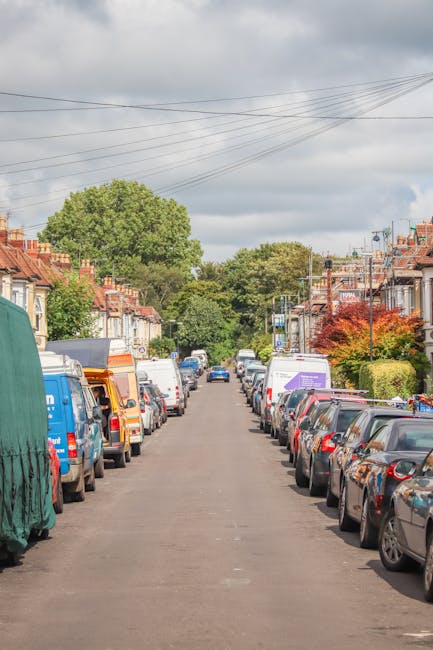
If you are planning a move in Finchley, the road outside your property can be just as important as the packing list. Finchley removals delays and common problems on narrow roads are a real headache: parked cars, tight turning circles, awkward loading bays, low-hanging branches, and the classic "where exactly can the van stop?" moment. It sounds simple until a team arrives with a full house load and there is nowhere sensible to pull in.
That is why a local, practical approach matters. In this guide, we will look at why narrow-road removals slow down, the common problems that pop up, how to plan around them, and what to do if access is trickier than expected. You will also find a checklist, comparison table, and a realistic example so you can prepare with fewer surprises. Let's face it, moving day is stressful enough without a van blocking half the street.
Why Finchley removals delays and common problems on narrow roads Matters
Narrow roads change everything. A move that would be fairly straightforward on a wider street can slow down quickly when a removal van cannot stop close to the property, or has to reverse carefully to get out again. In Finchley, that often means residential streets with parked cars on both sides, short driveways, and limited room for larger vehicles to manoeuvre.
The biggest issue is not only time. Delays on the day can affect access for neighbours, create extra carrying distance, and increase the risk of damage if furniture has to be moved in a rush. A five-minute pause can become half an hour if the driver needs to wait for a gap, relocate the van, or work around another vehicle. And when you are moving a sofa or a wardrobe in the rain, every extra step feels longer. Much longer.
There is also the human side of it. People often underestimate how quickly a quiet street becomes busy during school runs, delivery windows, or commuter traffic. Even if the road looks manageable at 7am, it can become a little bottleneck by late morning. That is one reason local knowledge is so valuable. Good planning is not glamorous, but it saves a lot of grief.
How Finchley removals delays and common problems on narrow roads Works
The mechanics are simple enough: the narrower the road, the more the move depends on access timing, vehicle size, and how efficiently items can be carried between the property and the van. But the consequences spread out in a few directions.
First, the removal vehicle may not be able to park directly outside the address. If the road is restricted, the crew may need to find the nearest safe stopping point and carry items further. That adds time, especially with heavier boxes, awkward furniture, or multiple trips.
Second, turning space matters. A long wheelbase van or larger lorry may struggle with tight bends, corners, or parked cars on both sides. Sometimes the driver has to reverse out of a street slowly, which is exactly the sort of thing that can knock a schedule off balance. Not dramatic, just inconvenient in that very British way.
Third, the street environment can create small compounding problems: delivery vehicles blocking access, bins left out, low branches, cyclists passing close by, or residents returning home while the loading is in progress. None of these are huge on their own, but together they can create stop-start progress all morning.
If you want to reduce the chance of a messy move, services like local removals and man and van can be helpful because they are typically better suited to shorter journeys, tighter streets, and practical loading patterns. For smaller loads or awkward access, that can make a noticeable difference.
Key Benefits and Practical Advantages
It may feel odd to talk about benefits when the topic is delays, but there are real advantages to planning for narrow-road issues properly. The aim is not to pretend Finchley streets are easy. It is to make the move calmer and more predictable.
- Less waiting around: If the crew knows where the vehicle can stop and how long loading may take, the day is smoother.
- Lower risk of damage: Fewer rushed lifts and fewer awkward turns mean less chance of scuffs, knocks, and strained backs.
- Better neighbour relations: Nobody enjoys blocking a street or holding up traffic, even for a good reason.
- More accurate scheduling: Clear access information helps a removals team set realistic timings.
- More flexibility: If access is limited, using storage or split moves can keep things manageable.
There is also a quieter benefit: less mental overload. When you know the access plan, the move feels less like a mystery. You still have a hundred tasks, of course, but at least the biggest unknown is under control.
For people with particularly tight timings, combining removals with removals and storage can be a sensible pressure valve. It gives you room to move in stages rather than forcing everything into one hectic day.
Who This Is For and When It Makes Sense
This topic matters to more people than you might think. Narrow-road access is not only a problem for large family homes. It also affects flats, terraces, converted houses, and small business moves.
You will want to think about it seriously if you are:
- moving from a house on a tight residential road
- living in a flat with a shared entrance or limited drop-off space
- dealing with a high-street side street or one-way access
- moving office equipment where loading needs to happen quickly
- trying to avoid overnight storage in the van because access is uncertain
- planning around school-run traffic or permit-style parking pressures
It also makes sense if you are moving only a few bulky items. In that case, a small removals service can be easier to manage than a larger operation. On the other hand, if you have a full household and tight access, a bigger team with a careful plan may still be the better call.
Truth be told, many problems only show up when someone says, "It should be fine, the van can just stop outside." That sentence causes more moving-day trouble than it should.
Step-by-Step Guidance
Here is a practical way to handle Finchley removals delays and common problems on narrow roads without turning the whole thing into a production.
- Check the access in daylight. Look at the road at roughly the time your move will happen. Parked cars, traffic flow, and turning space can look very different at 8am compared with 2pm.
- Measure the obvious bottlenecks. Note gate widths, front garden paths, stair turns, and any awkward bends. You do not need a laser survey. Just useful numbers and common sense.
- Flag restrictions early. Tell the removals team about one-way streets, residents-only parking, low bridges, or tight corners before the moving date. Early warning is everything.
- Choose the right vehicle and team size. A smaller vehicle can sometimes be faster on constrained roads than a large one. Bigger is not automatically better.
- Prepare a clear loading zone. Move bins, bikes, pots, and children's toys out of the way. It sounds basic because it is basic, and basic things save time.
- Pack for speed. Clearly labelled boxes, grouped room by room, reduce the stop-start rhythm that slows movers down.
- Consider staged loading. If access is poor, load the most important items first or use a temporary storage plan.
- Allow time for the unexpected. If a neighbour's car blocks the road or the van has to reposition, build breathing space into the schedule.
If you are juggling dates between a tenancy end and a new key collection, short-term storage can take some of the pressure off. It is not fancy. It is just useful when timing gets messy.
Expert Tips for Better Results
Most narrow-road issues can be softened, if not fully removed, by treating access as part of the move rather than a side issue. A few habits make a big difference.
1. Give the removals team more detail than you think they need.
Include the road name, the parking situation, the likely carrying distance, and any awkward access points. If there is a loading window, mention that too. The difference between "narrow road" and "tight road with parking on both sides and a sharp corner" is enormous.
2. Make your first trip count.
On a difficult street, the first carrying run often sets the rhythm. Put the heaviest, most awkward items near the front of the move so the team can use the best energy and the clearest route before fatigue sets in.
3. Keep the hallway clear.
It sounds almost too simple, but hallways become congestion points very quickly. Shoes, prams, umbrellas, and old boxes all slow the process. One little pile becomes a trip hazard in minutes.
4. Think about storage before panic sets in.
If you are between properties, or if access delays mean the van cannot unload immediately, self storage may be a practical backup. For items you do not need right away, furniture storage can be especially helpful.
5. Keep communication calm and specific.
"The road is tricky" is not very useful. "A van can probably stop 40 metres away, but larger vehicles may need to wait for a gap" is much better. Slightly unglamorous, yes, but far more effective.
If you are moving an office or business stock, the same principles apply, only with less patience and often more boxed files. In those cases, office removals and business storage can help keep the workflow from grinding to a halt.
Common Mistakes to Avoid
Most moving-day delays on narrow roads are not caused by one huge mistake. They are caused by several small assumptions that add up.
- Assuming the van will park outside. That may happen, but do not plan the whole move around it.
- Underestimating carrying distance. Ten extra metres sounds minor until you are carrying a washing machine in the drizzle.
- Not checking parking restrictions. Even temporary stopping can be awkward in certain streets.
- Packing too late. If boxes are still half-open when the crew arrives, the schedule slips immediately.
- Forgetting about neighbours. A blocked driveway can become a problem very quickly if no one is warned.
- Choosing the wrong storage option. If there is a gap between move-out and move-in, not all items need to travel on the same day.
A small note here: people often blame the removals team when the real issue is access that was never properly discussed. That is not a criticism, just a common pattern. Good planning prevents awkward conversations later.
Tools, Resources and Recommendations
You do not need fancy equipment to manage a difficult move. A few simple tools and sensible habits go a long way.
- Measuring tape: useful for gates, furniture, stair widths, and vehicle access checks.
- Mobile phone photos: a quick photo of the road, parking layout, or entrance can help explain the access to a removals team.
- Box labels and colour codes: helpful when items must be carried further and you want unloading to stay organised.
- Protective covers and blankets: especially useful where items need to be shifted in tighter turns or through narrow hallways.
- Storage plan: a fallback option if the move becomes split over more than one day.
For packing help, packing services can save time and reduce stress. And if the move is only partly settled, mobile self storage may be worth considering because it can suit situations where access and timing do not line up neatly. If you prefer a more traditional approach, secure storage is another practical option for items that need to stay safe while you get the access sorted.
For pricing decisions, it is sensible to compare what is included rather than just looking at the headline number. The cheapest quote is not always the best one if the road access makes the job slower or more complex.
Law, Compliance, Standards, or Best Practice
We should be careful here. There is no single universal rule that solves narrow-road removals, and exact parking or loading arrangements can depend on local conditions, property type, and the route available on the day. But there are some common best-practice expectations worth following.
In the UK, moving companies are generally expected to work safely, communicate access limitations clearly, and avoid creating unnecessary risk to people, vehicles, or property. For the customer, that means giving accurate information and not expecting a large vehicle to squeeze into a space that clearly is not suitable. Simple, but important.
It is also sensible to check insurance and liability questions before moving day. If an item is especially fragile or awkward, ask how it will be handled and whether additional protection is needed. You can read more about this kind of careful approach through the company's insurance and safety information and the health and safety policy. For payment and booking clarity, the payment and security page is also worth reviewing before you confirm anything.
If you are unhappy with service handling at any stage, it is reassuring to know there is a formal route for feedback. The complaints procedure exists for that reason, and that sort of transparency matters on stressful jobs.
Finally, if access is so limited that the move needs a staged or alternative plan, check the provider's terms and conditions and quote process carefully. It is dull reading, yes, but dull reading prevents expensive misunderstandings.
Options, Methods, or Comparison Table
Different access problems call for different solutions. Here is a simple comparison to help you decide what makes the most sense.
| Approach | Best for | Pros | Watch-outs |
|---|---|---|---|
| Standard full removals | Moderately accessible homes with a clear loading point | Efficient, direct, usually quickest | Can struggle if the street is too tight or heavily parked |
| Man and van | Smaller loads, flats, awkward street access | Flexible, often easier on narrow roads | May require more trips for larger moves |
| Small removals | Partial moves or minimal furniture | Practical and less disruptive | Not always suitable for a full household in one go |
| Removals and storage | Moves with timing gaps or access uncertainty | Reduces pressure, keeps items safe | Requires planning for storage duration and return date |
In day-to-day terms, the best option is usually the one that fits the street, the volume of items, and your actual moving date. Not the fanciest one. Not the one with the biggest vehicle. Just the one that works.
Case Study or Real-World Example
Here is a realistic example based on a common Finchley-style move. A family is leaving a terraced house on a narrow residential road with parked cars on both sides. The new property is ready later the same day, but the road outside the old house is tight, and larger vehicles have to approach slowly because of the corner near the junction.
Instead of leaving everything to chance, they send photos of the street, explain that parking is limited, and mention that the front door opens directly into a narrow hallway. The removals team suggests a smaller vehicle, an earlier loading window, and a simple room-by-room loading order.
On the day, the van cannot stop immediately outside. That part was expected, which helps a lot. The team parks where it is safe, carries the larger furniture first, and keeps the boxes grouped by room. The move still takes longer than a wide-road job would have done, but it stays calm. No frantic reshuffling. No last-minute panic. The children are slightly bored, the kettle gets used twice, and everyone survives. Honestly, that counts as a win.
One useful extra decision: they keep a few non-essential items in storage for two weeks while the new place is fully ready. That makes the unloading easier and stops the hallway turning into a mountain of "we'll sort it later." A small practical choice, but it saved the day.
Practical Checklist
Use this checklist a few days before moving day. It is short, but it covers the bits that usually matter most.
- Confirm the road width and likely parking space near the property
- Send clear photos of the street, entrance, and hallway
- Tell the removals team about one-way access, parked cars, or low branches
- Measure large furniture and check turning points
- Label boxes by room and priority
- Clear the path from front door to loading point
- Warn neighbours if the van may need to stop nearby
- Build extra time into the schedule
- Decide whether any items should go into storage first
- Keep essentials, documents, and valuables separate
Expert summary: narrow-road removals are usually manageable when access is planned early, vehicle size is matched to the street, and you leave a little space in the timetable. The move may still be slower than you hoped, but it does not have to become chaotic.
For added peace of mind, you can also review the company's background through the about us page and check practical details such as pricing and quotes. If you need to talk through a move with tight access, the contact us page is the natural next step.
Conclusion
Finchley removals delays and common problems on narrow roads are not unusual, but they are very manageable when you approach them properly. The main thing is to treat access as part of the move, not a footnote. Once you do that, the whole process becomes easier to organise, easier to communicate, and easier to live through.
You do not need a perfect road, a perfect van, or a perfect schedule. You just need a realistic plan, clear communication, and a backup option if the street turns out to be tighter than expected. That is usually enough. And when moving day is over and the last box is inside, there is a lovely ordinary feeling in the room: quiet, relief, and the first proper exhale.
Get a free quote today and see how much you can save.
Frequently Asked Questions
Why do removals get delayed on narrow roads in Finchley?
Delays usually happen because vans cannot park directly outside, turning space is limited, or the street is already busy with parked cars and passing traffic. Even small access problems can slow the whole loading process.
What is the biggest problem with moving on a narrow street?
The biggest issue is usually access for the vehicle. If the van cannot stop close enough to the property, movers have to carry items further, which adds time and increases the chance of fatigue or awkward lifts.
Should I book a smaller van for a narrow road?
Often, yes. A smaller vehicle can be easier to position and may reduce access problems. That said, the right choice depends on how much you are moving and whether multiple trips would create more delay than they save.
How can I help prevent moving-day delays?
Give accurate access information early, share photos of the street, clear the hallway, label your boxes, and allow extra time in the schedule. Those basic steps make a noticeable difference.
Do I need to warn my neighbours before moving day?
It is not always essential, but it is usually a good idea if the road is tight or if the van may need to stop near someone's driveway. A quick heads-up can prevent irritation later.
What should I do if there is nowhere to park the van?
Tell the removals team as soon as possible so they can plan a safer stopping point or adjust the approach. Sometimes the move still works well with a short carry distance and careful timing.
Can storage help if the move is delayed?
Yes. If the new property is not ready or access is awkward, short-term storage can keep things safe and reduce pressure. It is especially useful for furniture and non-essential items.
Are flats on narrow roads harder to move than houses?
They can be. Flats often combine narrow road access with stairs, shared entrances, or limited loading space. That said, good planning usually keeps it manageable.
What is the difference between man and van and full removals?
Man and van is often better for smaller or more flexible moves, while full removals suit larger household jobs. On narrow roads, the smaller setup can sometimes be easier to position and faster to load.
How much extra time should I allow for a narrow-road move?
There is no fixed number that fits every move. The safest approach is to add a buffer and discuss timing openly with the removals team, especially if parking or carrying distance is uncertain.
Will removals insurance cover access-related issues?
Coverage depends on the provider and the circumstances. It is always best to check the insurance and safety information before moving day and ask specific questions if anything feels unclear.
What is the smartest way to handle a difficult Finchley street?
Be realistic about access, choose the right vehicle size, keep communication clear, and consider storage if timing is tight. A calm plan beats a rushed one every time.